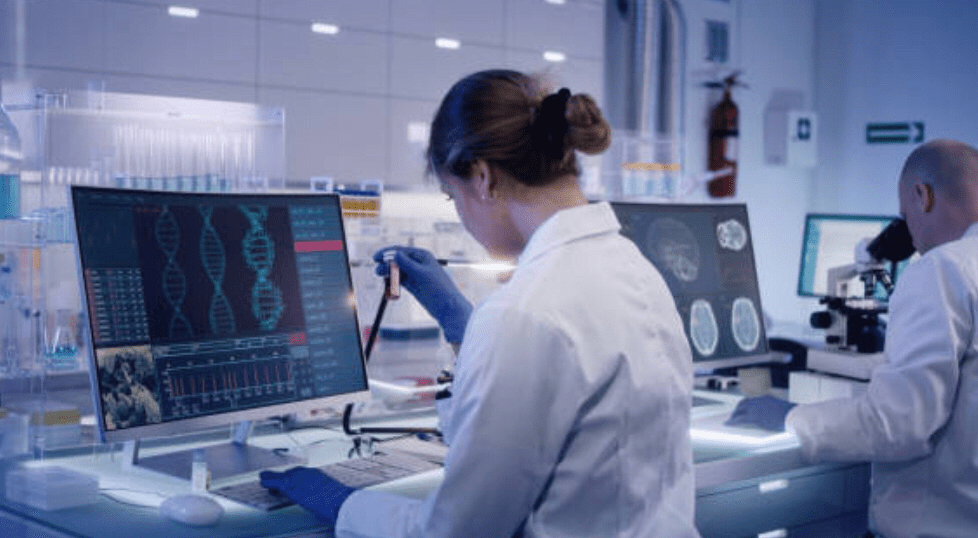
Organisms that have had their genetic makeup artificially altered in a lab by adding foreign genes are referred to as genetically modified organisms (GMOs). These unusual genes could come from a virus, bacterium, or perhaps a different species entirely. GMOs are employed in agriculture and food production for several reasons, including excellent nutrition, lower prices, and higher yields.
GMOs are a hotly debated topic regarding their safety for human consumption. GMOs, according to some, are hazardous to human health, the environment, and the world’s food supply. Others contend that GMOs are risk-free and that the advantages exceed any possible drawbacks.

Argument For GMOs
GMOs Can Help Reduce Pesticide Use
They can assist in lowering the demand for pesticides, which is one of their most well-known advantages. Crops created by genetic engineering are resistant to a particular insect, allowing farmers to use fewer pesticides while still protecting their crops from infestation. However, it’s crucial to remember that genetically modified organisms are plants that have undergone genetic modification. There is no risk associated with eating genetically modified foods because they don’t contain viruses, bacteria, or alien genes.
GMOs Can Help Increase Crop Yields
Another advantage of GMOs is that they can help increase crop yields. By introducing genes that make crops more resistant to disease and drought, GMOs can improve agricultural land productivity and reduce the need for additional resources such as water and fertilizer. However, the effect of GMO crops is not always measurable, and many argue that crops do not necessarily “grow better” under the same conditions.
GMOs Can Help Reduce Food Waste
The ability of GMOs to reduce food waste is one of its key advantages. Genetically modified crops can be grown where traditional crops commonly fail because they are frequently more resistant to bad weather or illnesses. In doing so, farmers can use their space more effectively and reduce food waste. The claim that GM crops can decrease food waste is still debatable.
GMOs Can Help Reduce Hunger
GMOs can help boost agricultural yields in regions where food shortages are a big issue by adding genes that make crops more resistant to pests and drought. Some contend that greater food yields do not always equate to less hunger in underdeveloped nations, and many claims that the impact of GMO crops is not always quantifiable.
Argument Against GMOs
GMOs Can Cause Environmental Damage
One of the most controversial aspects is their potential environmental impact. Genetically modified crops may cross-pollinate with wild plants, creating “superweeds” or “super pests” resistant to herbicides and pesticides. As a result, farmers must resort to spraying more chemicals on their fields and producing more crops to compensate for these losses. Some GMO advocates suggest that the ability to cross-pollinate will decrease pesticide use, but other environmentalists argue that this is not a reasonable alternative.
GMOs May Be Unhealthy
Another concern about GMOs is that they may be harmful to humans. Although there isn’t enough information to say that GMOs are dangerous, some added genes or chemicals will likely affect people’s health. For example, some research has suggested that genes inserted into bacteria could impact human health. The exact effect of GMOs on human health is still unclear, but some argue that it is too soon to say.
GMOs Can be Difficult to Detect
Due to its unclear labeling, genetically modified food might be challenging to identify. As of 2017, 165 countries had ratified the Protocol since its inception in 2000. It specifies rules for the labeling and identification of GMOs and the safe transboundary movement of LMOs. Additionally, it might be hard for government representatives to compare genetically modified food to conventional food. It is, therefore, tough for consumers to determine whether or not they are eating food that has undergone genetic modification.
Current Regulations Surrounding GMOs
Genetically modified organisms (GMOs) and foods that have undergone genetic engineering are subject to FDA regulation in the US. Before GMOs may be commercialized in the US, the FDA must approve them through a thorough evaluation of scientific data, including investigations of their safety and effects on the environment.
Internationally, the Cartagena Protocol on Biosafety is an agreement between countries that sets out international rules and regulations regarding the transfer, handling, and use of living-modified organisms (LMOs). Since its adoption in 2000, the Protocol has been ratified by 165 nations as of 2017. It lays out guidelines for the safe transboundary movement of LMOs and the labeling and identification of GMOs.
Conclusion
It is hotly contested whether or not GMOs are safe for human ingestion. During some claim that GMOs are harmless, others advise that it is essential to assess any potential hazards and effects on the ecosystem carefully. In the United States, the FDA regulates GMOs and requires a comprehensive review of scientific data before selling them. Internationally, the Cartagena Protocol on Biosafety provides an agreement between countries that sets out international rules and regulations regarding the transfer, handling, and use of living modified organisms. Ultimately, further research is needed to determine the proper safety of GMOs for human consumption.
What do you think about GMOs?
 HealthyLiving
Leave a comment